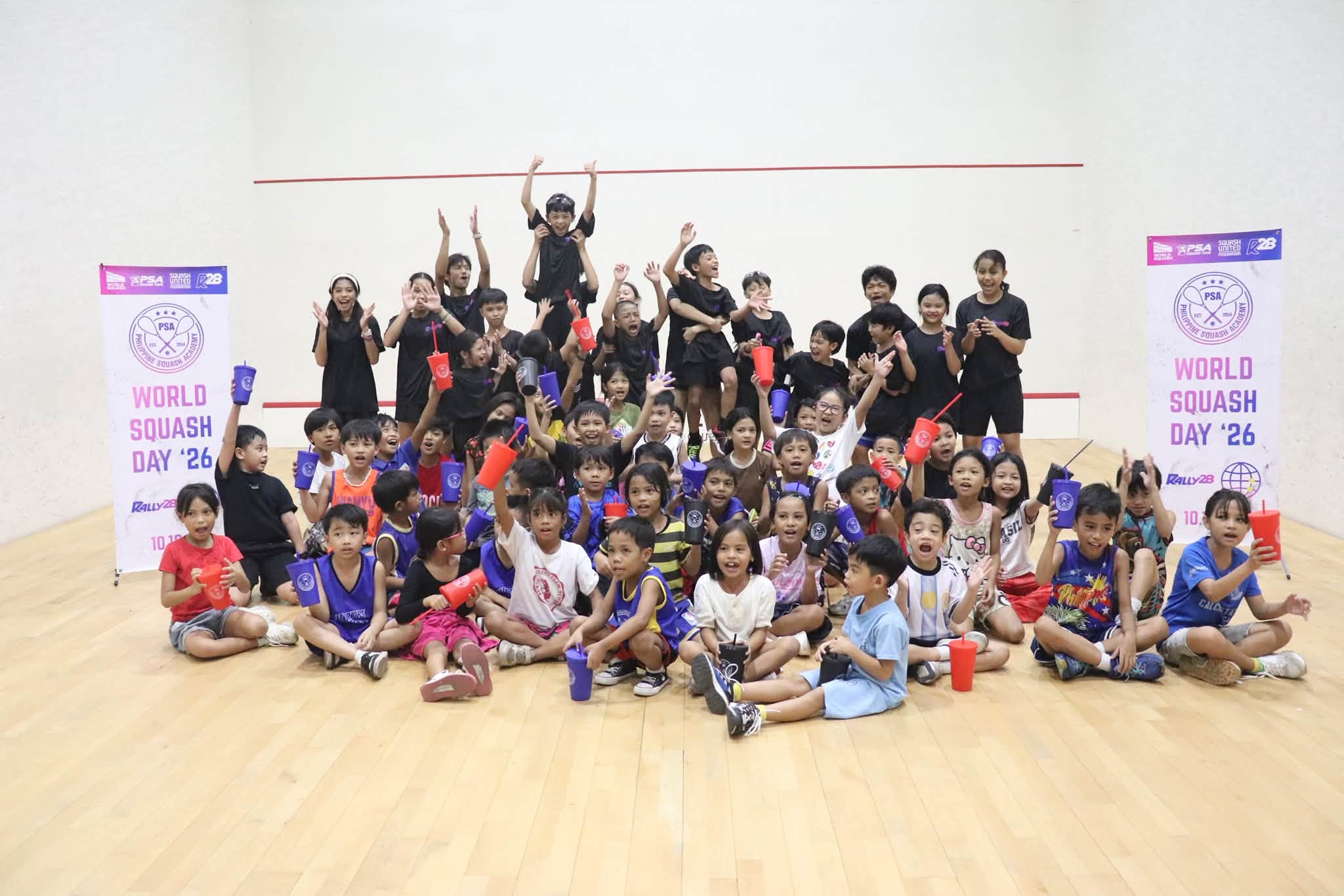

Squash in the Philippines has seen a major change for the future, with the sport providing children with a safe space to play squash, eat meals, and, for some, a space to sleep.
Over the past 18 months, the Philippines Squash Academy has been able to oversee improvements on and off the courts for the next generation of squash players, with the support from their National Head Coach Low Wee Wern.
Together they have been keeping children off the streets and changing lives, as Low said: “We want to make them better squash players, but for me, I want to make them better people and give them a safe space to grow together and be better people too.”
Joining the national team last year, after retiring from professional squash in February 2024, Low was approached for various coaching roles but chose to take the position as National Head Coach for the Philippines.
She said: “I announced my retirement from professional squash, and this offer came about to see if I was interested in becoming the National Head Coach of the Philippines.
“I had never been to the Philippines before this at all, so I had no idea what to expect. I wanted to run a whole programme and not just focus on one-to-one training, so, I thought that this would be a good chance for me.”
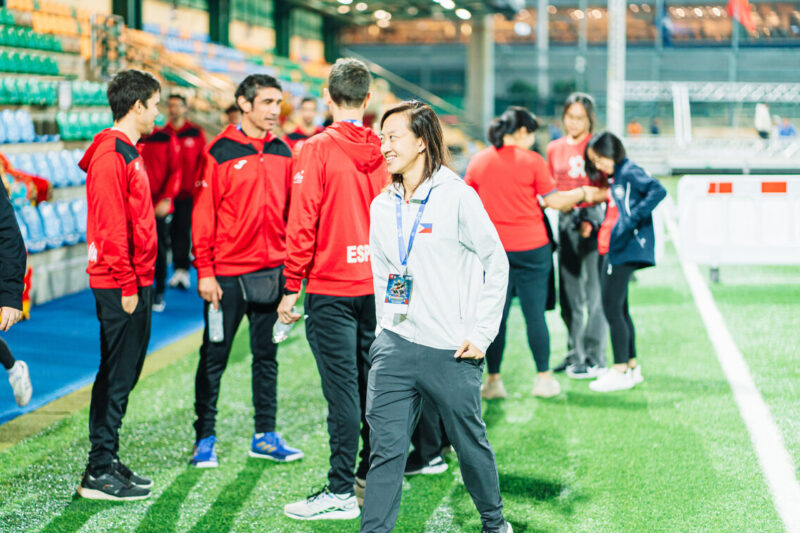
Leading the national programme for the Philippines Squash Academy was a huge opportunity for the Malaysian, becoming the first female appointed for the role of National Head Coach.
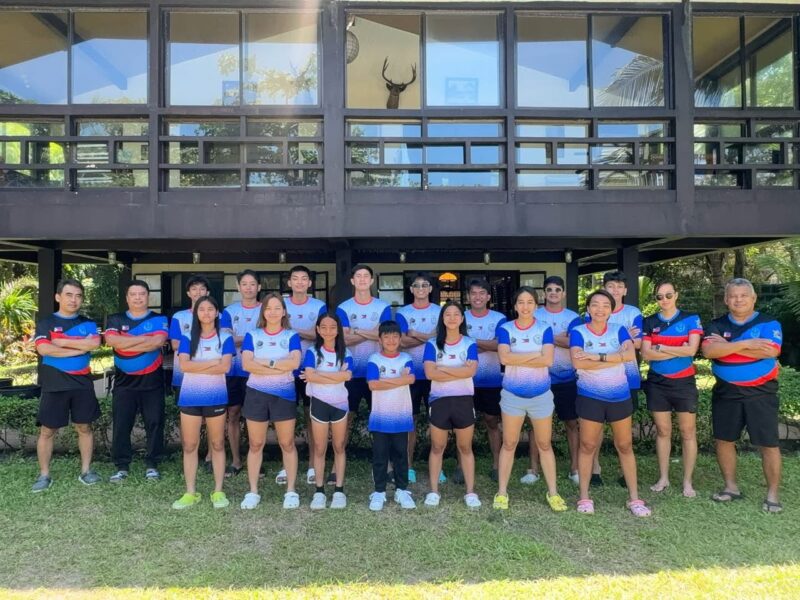
Arriving in the Philippines with only two courts at the national facility, it wasn’t going to be easy, especially with the sport of squash already being quite small across the country, and with Low’s focus on youth development, it seemed that it might be challenging.
But changes have been made by the Philippines Squash Academy that have enabled the sport to progress, as Low added: “We now have a full development programme, with a focus on developing kids. In the past, the Philippines has had a small number of players, and everyone who did play squash grew up together, so there was limited development for the sport.
“We want to work on that, and the development of the sport for the future. As a long-term plan, we need to try and secure a little bit more facilities, a couple more squash courts, because there’s only so much we can do with two courts.”
And with a look to the future, youth development has been a driving force for the Philippines Squash Academy, something that has been well-received by two rising squash stars who are already showing their dedication to the game, Ashton Rain Medino, 10, and Lyra Kate Trasmil, 10.
Despite only being 10 years old, Trasmil travels over two hours to Manila for training three days a week and sleeps at the centre for two nights.
Low said: “Lyra lives about two hours away from Manila, and she has to travel by public transport into Manila like many of my squash players, as staying in Manila itself is expensive, because the cost of living is much higher than the rest of the cities around Manila.
“My senior players ride their motorcycles for about an hour, to get to training on a daily basis. But for Lyra, she is 10 years old and trains with the national team three days a week.”
Training at the national squash centre in Manila, Lyra travels to training after school on Tuesdays, Wednesday, and Fridays, before travelling home for two hours after sessions.
She continued: “On Fridays, Lyra stays overnight and sleeps in the squash centre, where she attends training on Saturdays and Sunday’s before returning home for school to start the process again.
“Lyra is one of the few kids that sleep at the squash centre, and we are lucky that the Philippines Squash Academy provided the squash club with some mattresses, which is better than sleeping on the hard squash court floor. We are currently working on this to make it more comfortable for them to stay the night.”
And with a passion for developing squash in the Philippines, Low shared where the ambition has come from, she said: “It is important to me, as when I grew up, I didn’t have much and I always wanted a better life.
“I grew up with a single mum, who worked tirelessly to provide for both my sister and I. We didn’t have much and squash was my only way of making a decent money. So, when I was offered a few scholarships in the U.S, it got to a point that if I chose to study, I wouldn’t have been able to make money.
“So, I chose to play squash to earn money and put my sister through college, so the stories from the children resonate with me, and it is why I decided to come here and wanted to build a project here.”
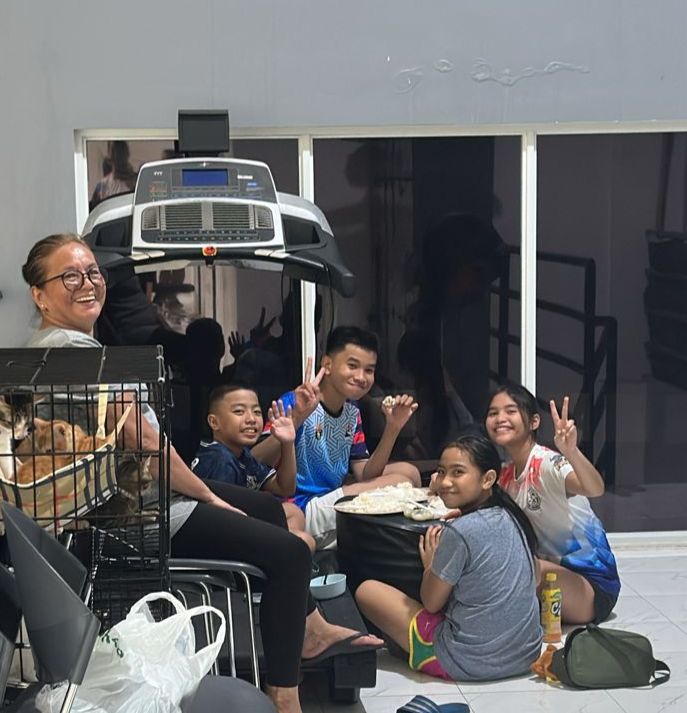
Malaysia’s former World No.5 continued: “These kids don’t have much, so we give them some rice and some dishes and shelter, we have a few mattresses here too, allowing them to sleep here, offering them a space to feel safe to grow up in.
“At the end of the day, not everyone will be able to become a professional squash player, but at least we can provide them all with life lessons to become decent human beings and decent squash players.”
And the focus on improving not only the players but their lives resonates especially for 10-year-old Ashton Rain Medino, who had a fairy-tale introduction into the sport of squash in October 2024, on World Squash Day.
Medino was among five children from the streets of Manila who were encouraged to take part in the sport as part of the Philippine Squash Academy’s World Squash Day outreach programme.
Welcomed into the club amongst other attending children, he received a session in a coaching clinic from national players as well as equipment and snacks.
Since then, Medino’s trajectory has seen him rapidly develop as a squash player, developing his talents and showcasing quick progress, with his hard work even resulting in a surprise title win this year in the 3rd Under-11 boys division of the Southeast Asian Junior Squash Individual Championship in Bangkok, Thailand.
Taken to the tournament with Low and the national squad, it was a life-changing experience for the young man, as it was the first time he left the country.
Low continued: “We needed to get him a passport, and he went on his first-ever flight to the tournament as he had never left the country, and to come back with the title, we couldn’t have scripted it any better.
“I think for players like Ashton, this is a way out and a chance to go have a better life – his Dad is a tricycle rider – so Ashton spends a lot of his time on the streets.”
Showcasing his willingness to develop and play squash at just 10 years old, he continues to demonstrate how far local players can go, given the proper training and environment to do so.
“With money being an issue, we need to secure funding for him, but we provide all the players with everything from training kits, t-shirts, shoes, racquets, paying for tournaments, and this is not just one example, it’s all the way up to the seniors.
“For Ashton, he is a street kid, so he’s either on the streets or at the courts, which is different to other players as they live further away and have to travel into Manila,” Low added.
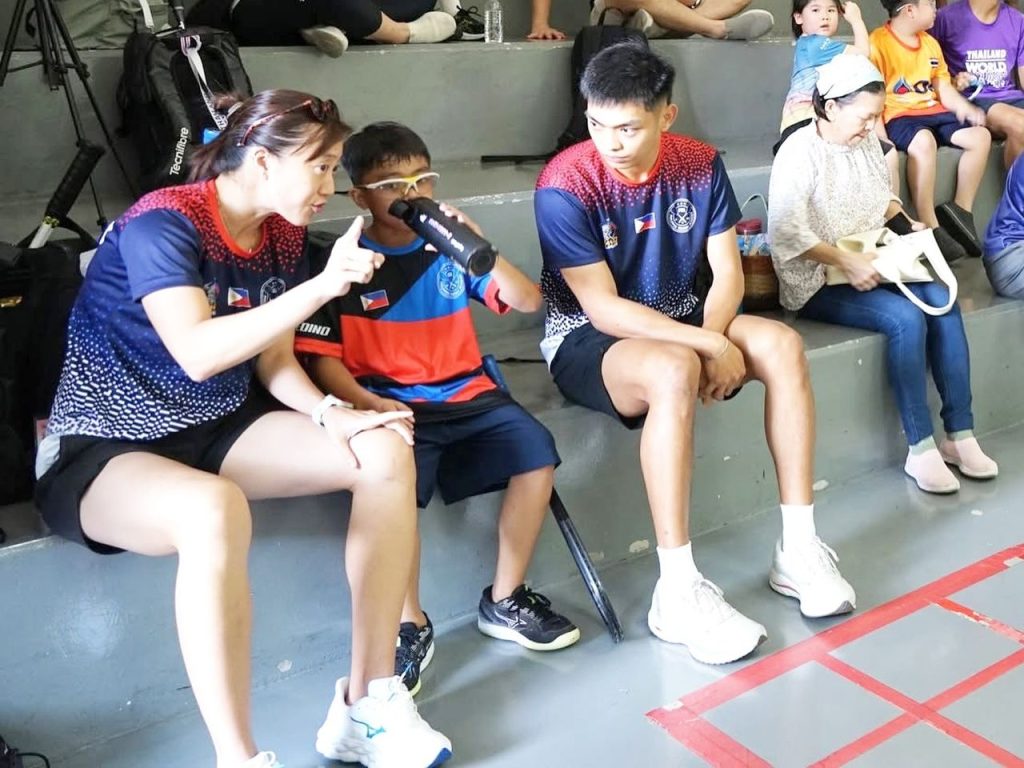
Medino now practices five to six times a week before or after his school classes, displaying an incredible work ethic at such a young age, becoming a rising star for the future of Philippines squash.
“He is working so hard at his game. He is here from the morning all the way to the time we close at night, and all he does is grab some food and play all day. He enjoys playing squash and doesn’t understand the pressure of winning yet, which is good.
“We now have to nurture him in the right way, we don’t want to put too much pressure on him and give him support, but it is also now a learning process.”
With only a short time involved in the sport, Medino has been welcomed into the setup with ease, with players supporting one another so that they can all achieve the best possible results.
Low added: “I am lucky that anything I do with the seniors snowballs down to the juniors, as they are supporting one another. This has been achieved as they all want to support one another, my seniors will take the time to show them exercises, shots, posture and techniques to help them get better.
“We are building a community here. It is a very top-to-bottom approach with the seniors supporting the juniors, but it is ingrained in them.”
The former World No.5 continued: “We have constantly looked at ways to grow the sport, as it is incredibly small, and we are getting more awareness at a junior level and playing at the Asian Games and the Asian Juniors.
“I have a couple of foreign players that come here and train, and when they do, the money that they pay will actually help fund our kids as well.
“As we progress, we will continue to do this, but so far for me the whole experience has been incredibly rewarding.”

Despite the size and small number of facilities, it seems that Low has a family of squash players that will continue to grow and develop in a welcoming environment.
This isn’t just a one-way feeling, with her efforts and the positive changes that she is making to their lives being reciprocated, with the children celebrating her one-year anniversary at the club, getting her cards and a cake – a gesture that was treasured by the National Head Coach.
Low said: “This is my first job coming after playing squash, it is such a luxury to be able to come in every day and see the players and how they have developed as human beings, not just as athletes, it is more than you can ask for.
“All these changes and efforts we are doing is not possible without our President Mr Robert Bachmann, who is the backbone of squash in Philippines, as well as Philippine Squash Academy Secretary, Yvonne Aysah Dalida, who i work very closely with on a daily basis to ensure everything runs smoothly.
“This whole experience has been a learning process for me, but seeing everyone involved and getting better, it keeps me enjoying what I do.”